
If you own a home in Frisco, you probably spend more time thinking about your lawn during a blazing August afternoon than a chilly November morning. Understandable. But your sprinkler system deserves a little attention before winter arrives, too.
North Texas weather has a talent for changing its mind. We can have patio weather one afternoon and freezing temperatures not long afterward. Your irrigation system may seem fine right up until a vulnerable exposed component freezes. Then the repair bill arrives, and suddenly that little box beside the house becomes very interesting.
The good news? Preparing for colder weather does not have to be complicated. It does require knowing what equipment you have, what you can safely do yourself, and when to bring in an irrigation professional.
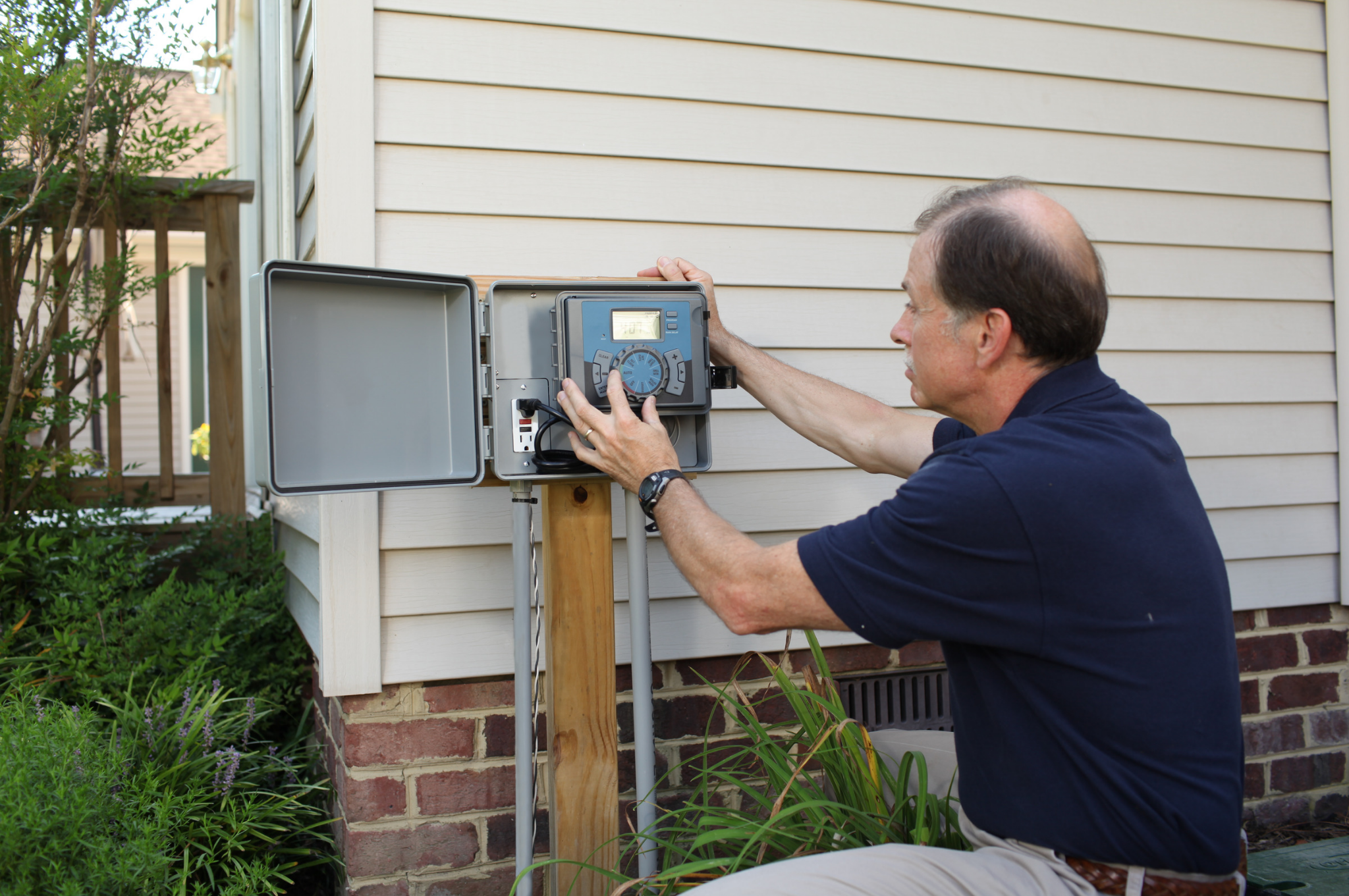
Here is how I would approach it as a Frisco homeowner.
WHY DOES A FRISCO SPRINKLER SYSTEM NEED WINTER ATTENTION?
A residential irrigation system can include underground pipes, sprinkler heads, valves, a controller, and a backflow prevention assembly. Not every property has the same configuration.
The buried portions of a system may be less exposed than equipment above ground. Outdoor backflow components, valves, and connections can be especially vulnerable during hard freezes. Water expands when it freezes. That expansion can crack fittings or damage equipment, even when you do not notice the problem immediately.
The risk is not that every Frisco sprinkler system will break in winter. It is that a small amount of preventive attention may avoid an expensive and inconvenient surprise.
FIRST: IDENTIFY YOUR IRRIGATION EQUIPMENT
Before turning anything off, find your controller and learn how your system is configured. Is the controller in the garage? On an exterior wall? Is the backflow device outside? Do you have a dedicated irrigation shutoff?
Look for any instructions left by the installer or previous owner. If you do not have them, take clear photographs of the controller, shutoff valves, and backflow assembly so a licensed irrigator can help identify the setup.
This is not the moment for creative plumbing experiments. Different backflow devices and valve arrangements require different procedures. Guessing which handle to turn is not a winterization strategy.
SECOND: REVIEW THE WATERING SCHEDULE
As temperatures cool and grass growth slows, your landscape generally needs less irrigation than during peak summer heat. Running a summer schedule all winter can waste water and create soggy areas.
Check your controller’s seasonal adjustment setting, rain sensor, and weather-based features. Some smart controllers adjust automatically, but ‘smart’ does not mean ‘never needs checking.’ Make sure the location and weather settings are correct.
Do not assume all plants have identical needs. New landscaping, trees, established turf, and container plants can respond differently to dry winter periods. Your landscape professional can help with an appropriate seasonal schedule.
One important caution: Reducing irrigation is not the same as turning off all watering for months regardless of weather. North Texas can experience dry spells in winter. The right schedule depends on rainfall, soil, plants, and local restrictions.
THIRD: KNOW WHERE TO SHUT OFF THE IRRIGATION WATER
Ask yourself a simple question: If you noticed water spraying from a damaged irrigation component during a freeze, would you know how to stop it?
If the answer is no, this is an excellent time to find out.
Locate the dedicated irrigation shutoff, if your system has one, and confirm its function with the installer or a qualified professional. Do not confuse it with the home’s main shutoff or operate unfamiliar valves without guidance.
Make a note of where it is. Share that information with another adult in the household. A picture saved on your phone is useful; a labeled photo is even better.
This step is about preparedness, not panic. When something goes wrong, the person who knows where the shutoff is has a much better afternoon.
FOURTH: PAY SPECIAL ATTENTION TO EXPOSED BACKFLOW EQUIPMENT
The backflow prevention assembly is a critical safety component that helps protect the drinking-water supply from contamination. It is not just another piece of sprinkler plumbing.
If yours is installed outdoors, ask a licensed irrigator how it should be protected from freezing. A properly designed insulating cover may help in some situations, but a cover is not a universal substitute for correct winterization.
Do not wrap equipment in a way that blocks required access, vents, drainage, or inspection points. Do not remove or bypass the backflow assembly. And do not assume a technique you saw online applies to your specific device.
Because backflow protection involves water safety and local requirements, professional advice matters.
FIFTH: DECIDE WHETHER PROFESSIONAL WINTERIZATION IS APPROPRIATE
Some irrigation systems are designed with procedures for draining exposed components. Others may require specialized steps. In certain climates, irrigation professionals use compressed air to clear water from lines, but doing this incorrectly can damage components or create an injury risk.
Do not attempt a compressed-air blowout based on a generic video. Have a licensed irrigator evaluate whether your Frisco system needs that service and what procedure is appropriate.
Ask the professional to explain exactly what was done and what you will need to do when the weather warms up. A clear service record helps you avoid accidentally restarting a system that has been left in a winterized configuration.
SIXTH: INSPECT FOR SMALL PROBLEMS BEFORE THEY BECOME BIG ONES
Take a walk around the yard while the weather is comfortable. Look for persistently wet patches, leaning sprinkler heads, exposed piping, damaged covers, or water pooling near the backflow assembly.
If you see a leak, do not wait for a freeze to address it. A small leak can waste water and may indicate a larger system problem.
Also check whether sprinkler heads are spraying the sidewalk, street, fence, or side of the house. Misaligned heads are inefficient and can create unwanted moisture near surfaces and structures.
For Frisco homeowners planning to sell someday, this is part of the bigger picture: maintenance records and visible care help support buyer confidence. They do not guarantee a higher sales price, but neglected systems can raise questions during an inspection.
SEVENTH: HAVE A FREEZE-NIGHT PLAN
Watch the actual forecast, not just the calendar. North Texas temperatures can vary substantially from one week to the next.
If freezing weather is expected, follow the procedure recommended for your specific irrigation equipment. That may include shutting off the irrigation supply and protecting or draining exposed components, depending on the system. Do not operate valves or drain devices unless you understand the manufacturer’s instructions.
Remember that irrigation equipment is only one part of home freeze preparation. Outdoor faucets, hoses, and other exposed plumbing also deserve attention—but today’s focus is keeping your sprinkler system in good shape.
EIGHTH: CHECK THE SYSTEM AFTER A FREEZE
Once temperatures rise, look for obvious leaks around accessible irrigation components. If a valve or fitting appears cracked, or water is flowing where it should not, shut off the irrigation supply if you know how and contact a professional.
Do not force frozen valves or restart equipment that may be damaged. Some problems become visible only when water pressure returns.
When the system is ready for normal operation, have the controller settings checked and confirm that each zone works properly. A spring startup inspection can catch broken heads, stuck valves, and other issues before summer heat arrives.
HOW MUCH SHOULD FRISCO HOMEOWNERS BUDGET?
There is no single honest price for winter irrigation service. Cost depends on the system’s size, configuration, condition, accessibility, and what work is required.
Ask for an itemized estimate. Does it include inspection, shutoff, draining or other winterization work, backflow protection, and spring restart? Are repairs extra? Is the provider properly licensed for the work being performed?
The least expensive quote is not necessarily the best value if it leaves critical components unprotected or uses a procedure inappropriate for your system.
WHAT IF I HAVE A NEWER FRISCO HOME?
Newer construction does not mean maintenance-free. Your irrigation system may be relatively new, but you still need to know where its components are and how the builder or installer recommends protecting them.
Check your homeowner documentation for warranties, manuals, and installer information. If you live in a neighborhood with HOA landscape requirements, review those rules too. An HOA’s expectations about lawn appearance do not replace proper equipment care or applicable watering restrictions.
If you recently bought the house, consider asking the previous owner or installer whether the system has ever been winterized and whether there have been past freeze-related repairs.
WHAT IF I’M NOT PLANNING TO SELL?
This may be the most important question of all.
Home maintenance is not something you do only to impress a future buyer. It protects the home you live in today. A reliable irrigation system supports the landscaping you have invested in and can help you avoid wasted water and surprise repair costs.
At The Vaughan Team, we talk a lot about making informed real estate decisions. That includes the years between transactions. A house is a significant financial asset, but it is also where everyday life happens. Taking care of it should feel manageable, not overwhelming.
YOUR PRACTICAL NEXT STEP
Before the next cold snap, take fifteen minutes to locate your controller, photograph the exposed irrigation equipment, and identify the dedicated shutoff. If you are unsure how the system should be protected, schedule a licensed irrigator to walk you through it.
Then put a reminder on your calendar to review the system again in spring.
That is not glamorous homeownership advice. It probably will not go viral. But it is the sort of sensible planning that saves headaches—and occasionally saves you from an unexpected fountain in the front yard.
If you are a Frisco homeowner who wants a thoughtful plan for maintaining your property and understanding its place in today’s market, I am always happy to help you think through the next step.

Kelly Vaughan
The Vaughan Team | Brokered by Keller Williams McKinney
Clarity, compassion, and a plan for what’s next.