
One of the most common homeowner reactions to a new development announcement is remarkably consistent:
“Is this going to help my home value or hurt it?”
It is a reasonable question.
It is also usually too early to answer with a simple yes or no.
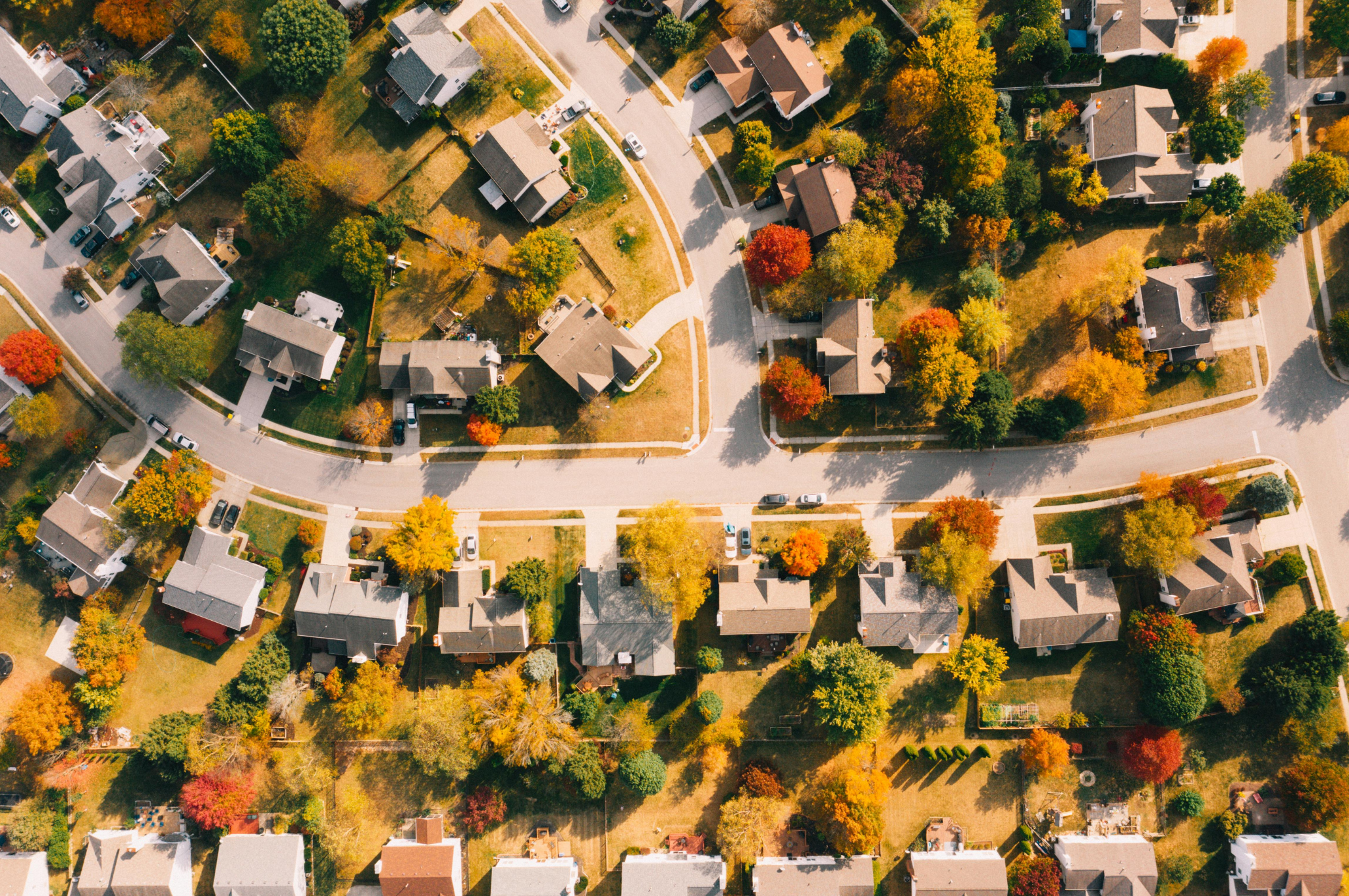
Plano is an established city, which means change often looks different here than it does in a brand-new suburb. Instead of every project starting with an empty field, development may involve redevelopment of older commercial sites, changes in land use, new housing, updated retail, public improvements, or a different use for property that has been there for decades.
For homeowners, the important skill is not predicting exactly what a project will do to your home value.
It is learning how to evaluate the change intelligently.
What is actually being proposed?
Neighborhood conversations can turn a planning application into something unrecognizable in about twelve minutes.
Someone hears “mixed use.” Someone else hears “apartments.” By dinner, the neighborhood Facebook group has apparently constructed a 47-story tower with a nightclub, three helicopter pads and no parking.
Start with the official information.
Is the project proposed, approved or already under construction? What uses are planned? How tall are the buildings? How many residential units? What kind of commercial space? Where will entrances and exits be located?
Those details matter far more than the project label.
“Commercial development” could mean a neighborhood-serving use residents enjoy or a high-traffic use that creates concerns for nearby streets.
Understand the actual plan before deciding whether it is good or bad.
How close is it to your house?
Real estate is extremely local.
A new development half a mile away may add convenient restaurants, services or amenities without creating much direct impact on your street.
The same project immediately behind your backyard may be a completely different conversation.
When I evaluate nearby development, I think in terms of direct exposure.
Can you see it from the property?
Will you hear it?
Will traffic use your street?
Does it change privacy?
Could lighting affect the home at night?
Will access to the neighborhood improve or become more complicated?
Two homeowners in the same subdivision can experience the same development very differently.
What does it replace?
This question is often overlooked.
A homeowner may hear that something new is being built and instinctively resist change. But compare the proposal with what exists today—and what could realistically happen if the property continues aging or remains vacant.
Redevelopment of an obsolete shopping center, aging office property or underused parcel can sometimes bring new investment and activity to an area.
That does not mean every redevelopment plan is automatically beneficial.
It means the correct comparison is not “new development versus nothing changing forever.”
Cities evolve. The real comparison may be one future use versus another.
Will it make daily life easier?
Some neighborhood improvements do not show up neatly in an appraisal, but homeowners value them anyway.
Can you walk to more places?
Are there new restaurants, services, parks or trails nearby?
Does the project improve an aging intersection or public space?
Does it bring amenities residents previously had to drive farther to reach?
Convenience is part of housing demand.
Buyers do not purchase only bedrooms and bathrooms. They purchase the daily experience surrounding the house.
A neighborhood that becomes easier and more enjoyable to live in can become more appealing even if no one can isolate a specific dollar amount attributable to one new development.
What happens to traffic?
This is where homeowners should be practical.
New activity generally creates trips.
The question is where those trips go.
Look at proposed access points, major streets and whether neighborhood streets are likely to become shortcuts. Consider peak-hour traffic rather than only visiting on a quiet weekend.
A project that creates convenient amenities along a major corridor may have little impact on an interior residential street.
A poorly situated entrance could matter much more.
Traffic concerns should be evaluated from the map and actual plan—not merely from the total size of the development.
What about schools?
Housing growth can raise questions about school capacity and attendance boundaries.
If school assignment is important to your household or future resale expectations, rely on current information directly from the appropriate school district rather than assumptions or old listing information.
School boundaries and enrollment policies can change.
From a real estate perspective, remember that even homeowners without children may eventually sell to buyers who care about schools.
Does development change the neighborhood’s identity?
This is harder to measure, but important.
Some neighborhoods are attractive because they feel quiet and residential. Others are appealing because residents can walk to restaurants, entertainment and services.
Development can strengthen an existing identity or gradually change it.
Neither is universally good or bad.
The question is whether the direction of the area remains attractive to the likely buyers for your home.
This is one reason I encourage homeowners to watch planning and development before they’re ready to sell.
Your neighborhood is part of your real estate asset.
Don’t assume new development automatically increases value
This is where real estate marketing sometimes gets ahead of reality.
A new park, restaurant district, corporate campus or redevelopment project may sound exciting.
But I would be very cautious about saying, “This will increase your home value by X percent.”
Home values are influenced by interest rates, inventory, buyer demand, property condition, lot, floor plan, school considerations, taxes, insurance and broader economic conditions.
Community development is one piece of that puzzle.
The more useful question is whether a project increases or decreases buyer appeal.
Does it improve convenience?
Does it create a new objection?
Does it make the area feel more vibrant?
Does it affect privacy or traffic?
Those are questions we can evaluate much more honestly.
Today’s Plano market makes the neighborhood story more important
As of July 31, Zillow reported 968 homes for sale in Plano, with a typical home value of $499,723, down 4.4% from a year earlier. Homes were going pending in a median 21 days, and 63.3% of June sales closed below list price.
HAR’s July data reports a $539,500 median sale price, with 202 transactions and 18.5 days on market.
Those figures do not mean Plano is weak across the board. Desirable homes in strong locations can still attract attention quickly.
But buyers have choices.
And when buyers have choices, they can be more selective about the things surrounding a property.
That makes location details, neighborhood condition, nearby land use and future development more important—not less.
If you’re selling, don’t let buyers discover the story on their own
If significant development is happening nearby, understand it before putting your home on the market.
Buyers will see construction equipment. They will notice a vacant parcel. They may Google the project while sitting in your driveway.
Provide accurate information when appropriate rather than allowing uncertainty to fill the gap.
That does not mean acting as the project’s public-relations department.
It means knowing what is publicly available, distinguishing approved plans from rumors, and helping buyers understand the neighborhood they’re considering.
If you’re not selling, pay attention anyway
Homeowners sometimes ignore development until a For Sale sign is going in the yard.
I think that is too late.
You don’t need to become a planning-and-zoning hobbyist. But periodically knowing what is proposed near your neighborhood can help you make better decisions about how long you want to stay, what improvements make sense, and what your future resale competition may look like.
It also helps separate meaningful change from noise.
Not every rezoning case will affect you.
Not every road project will change your home value.
Not every new apartment building will destroy a neighborhood.
And not every shiny mixed-use project will magically make everyone richer.
Real estate is more complicated—and more interesting—than that.
Ask the better question
Instead of asking only:
“Will this development raise or lower my home value?”
Ask:
“How could this change the experience of living in my neighborhood?”
That question leads to better analysis.
Look at traffic, access, amenities, visibility, privacy, land use, public improvements and the kind of buyer your neighborhood is likely to attract in the future.
Then put the project in context with the rest of the market.
Plano has spent decades evolving from a growing suburb into a mature employment and residential center. Continued change is inevitable.
Homeowners don’t need to fear every change—or celebrate every announcement.
They need good information.
Because understanding what is happening beyond your property line can be just as important as understanding what is happening inside your house.

Kelly Vaughan
The Vaughan Team | Brokered by Keller Williams McKinney
Clarity, compassion, and a plan for what’s next.