
Most people I talk with do not wake up one morning and suddenly announce, “Today feels like an excellent day to rethink where I should live for the next 15 years.”
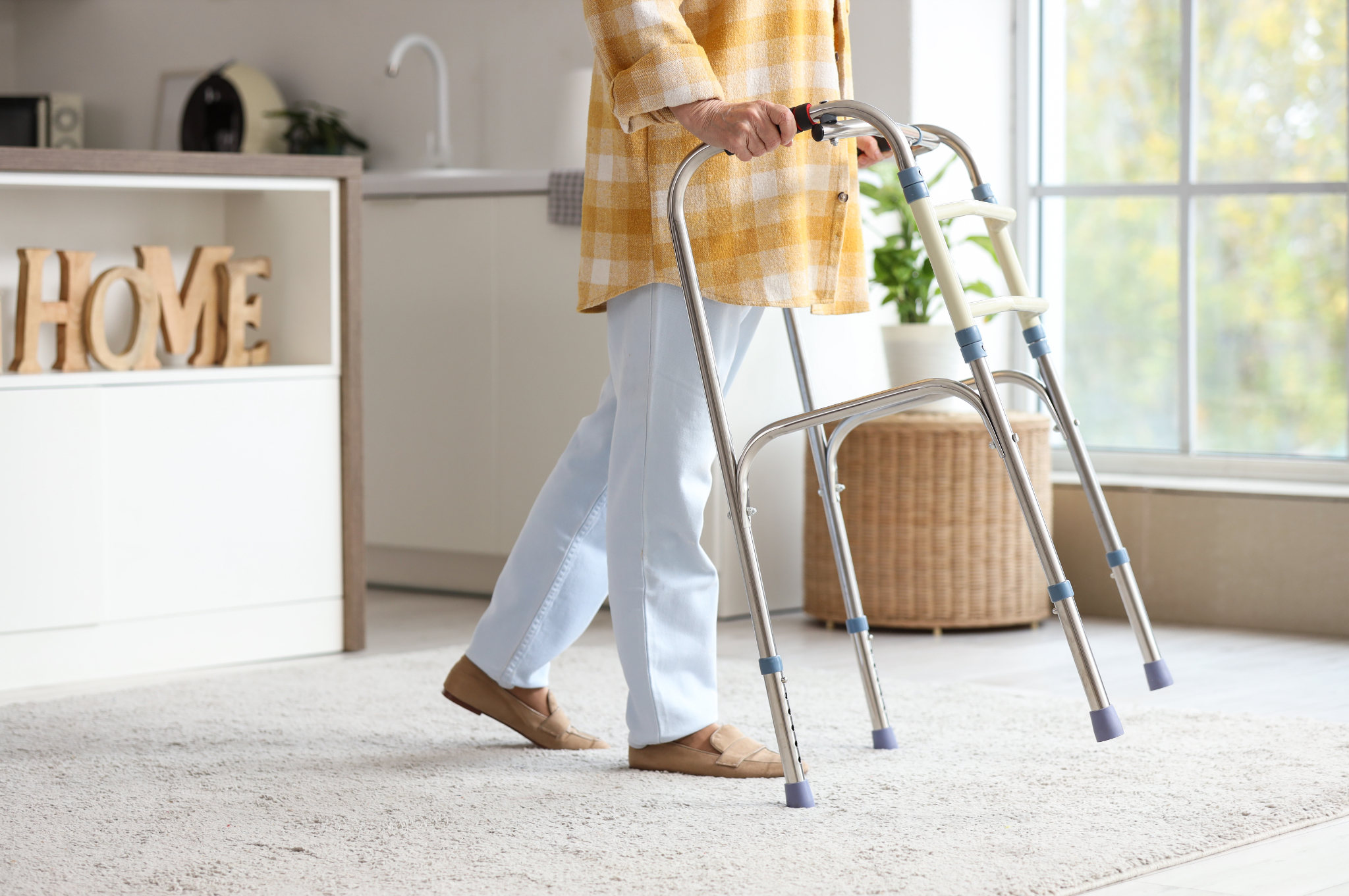
The decision usually arrives much more quietly.
The stairs feel steeper. The yard feels bigger. A spouse who handled repairs is no longer able to do as much. A bathroom that seemed perfectly ordinary for 20 years suddenly has a tub that feels less friendly. Or adult children begin asking questions that nobody particularly wants to answer.
For many older McKinney homeowners, the first preference is simple: I want to stay in my home.
That is a perfectly reasonable goal.
But I think there is an important distinction between wanting to remain in your home and having a home that actually supports you as you age.
Aging in place works best when it is a plan—not a default.
Start With the Life, Not the HouseBefore discussing grab bars, door widths or first-floor bedrooms, I would start with a more basic question:
What do you want everyday life to look like five or ten years from now?
Do you want to continue gardening? Host grandchildren? Walk in the neighborhood? Drive to church, volunteer activities and medical appointments? Travel frequently? Have family stay overnight?
Your house should support those goals rather than quietly making them harder.
Aging in place is not simply about avoiding a move. It is about preserving independence, comfort and connection for as long as practical.
The First Test: Can You Live on One Level?A two-story house is not automatically a bad choice for an older adult. Plenty of people navigate stairs comfortably for decades.
The better question is whether the home has a workable plan if stairs eventually become difficult.
Is the primary bedroom downstairs? Is there a full bathroom on the first floor? Could an office or formal room become a bedroom if necessary? Is laundry accessible without stairs?
If the answer to all of those is no, staying may still be possible—but future modifications could be more complicated and expensive.
The smartest time to evaluate that is before you need the solution.
Bathrooms Matter More Than Most People ExpectBathrooms are one of the first places I would examine when evaluating a home for aging in place.
Look at the shower or tub entry, floor surfaces, available wall structure for properly installed grab bars, toilet height, lighting and maneuvering space.
A beautiful bathroom is nice. A bathroom you can safely use is better.
Some modifications can be relatively straightforward. Others can turn into substantial remodeling projects. The question is not whether every bathroom needs to look like a medical facility—it doesn’t. Good accessibility design can be attractive.
The goal is to identify future obstacles before they become urgent problems.
Look at the Path From the Car to the KitchenThis is one of my favorite practical tests because it has nothing to do with a glossy renovation checklist.
Imagine bringing groceries home on a rainy Tuesday.
How many steps are between the car and the kitchen? Are there stairs? Is the walkway uneven? Is the garage crowded? Is there good lighting? Could you navigate the route while using a cane or walker if you ever needed one?
We tend to evaluate homes room by room. Aging in place requires evaluating movement through the entire home.
Entrances, hallways, flooring transitions and everyday routes matter.
Maintenance Is Part of AccessibilityAging-in-place conversations often focus on physical mobility and ignore another major issue: maintenance burden.
A large McKinney home may come with a large yard, multiple HVAC systems, tall ceilings, gutters, exterior maintenance and rooms that are rarely used but still require cleaning, heating, cooling and repairing.
Ask yourself:
Am I maintaining this house—or is this house beginning to manage me?
There is nothing wrong with paying for lawn care, housekeeping, handyman services or other help if that fits comfortably within your budget.
In fact, outsourcing maintenance may be exactly what makes aging in place workable.
But calculate it honestly.
If staying requires significant home modifications plus increasing outside help, compare that cost with alternatives. The goal is not automatically to move. The goal is to understand the real cost of staying.
Don’t Forget TransportationMcKinney has grown tremendously, and where you live within the city can affect how easily you reach medical care, groceries, family, friends and activities.
Today, driving 15 or 20 minutes may feel insignificant.
But aging-in-place planning should ask what happens if driving becomes less comfortable later.
Are the people and services you use reasonably close? Could family reach you easily? Would rideshare or other transportation options be practical from your location?
A house can be physically accessible and still become isolating if everything you value requires a car trip you no longer want to make.
Your Neighborhood Matters TooThe house is only part of the aging-in-place equation.
Do you know your neighbors? Can you walk safely? Are there nearby parks, community activities or places you regularly visit? Do friends and family live reasonably close?
McKinney continues investing in public amenities. For example, the major renovation now underway at Erwin Park includes ADA accessibility improvements along with trails and upgraded facilities. That is one small example of why community infrastructure matters when thinking about long-term livability.
The best aging-in-place plan considers both the home and the community around it.
Make a Three-Column Home AssessmentIf you are serious about remaining in your McKinney home, I suggest walking through it with three categories:
Works now and likely later. Examples might include a first-floor primary suite, step-free entry, wide hallways or manageable yard.
Could be modified. Perhaps a tub could become a walk-in shower, lighting could improve, or lever-style handles could replace difficult knobs.
Hard or expensive to change. This might include a steep lot, all bedrooms upstairs, narrow structural passages or a location far from the people and services you depend on.
That third column deserves the most attention.
Paint is easy. Location isn’t.
Know the Difference Between a House You Love and a House That WorksThis may be the hardest part.
Homes hold memories. They are where children grew up, holidays happened and ordinary family life unfolded. I would never reduce that to a spreadsheet.
But loving a house does not require pretending it has no limitations.
You can love your home and still acknowledge that the stairs are becoming difficult.
You can love your neighborhood and decide the yard has become too much.
And you can decide that the house still works beautifully and make a plan to stay.
All three are legitimate outcomes.
When Should You Start This Conversation?Earlier than you think.
The worst time to make a housing decision is often during a crisis—after a fall, hospitalization, death of a spouse or sudden health change.
When you plan while everything is still fine, you have options.
You can price modifications thoughtfully. Talk with family. Consult your financial advisor or estate attorney where appropriate. Explore other housing choices without pressure. Understand what your current home might be worth. Decide what would trigger a future move.
Maybe your plan is:
“We are staying here unless one of us can no longer use the stairs.”
Or:
“We’ll stay as long as we can comfortably maintain the property.”
Or:
“We want to move before we have to, while we can choose the next home together.”
A clear trigger can remove enormous uncertainty later.
You Do Not Have to Decide TodayOne reason people avoid this conversation is the fear that talking about the future somehow commits them to moving.
It doesn’t.
Sometimes the result of a thoughtful housing review is: This house still works. Let’s make a few modifications and stay.
That is a successful outcome.
Sometimes the answer is: It works today, but we should begin preparing for a move in two or three years.
Also successful.
And sometimes homeowners realize they are spending a surprising amount of money and energy maintaining space they no longer use.
Then it may be worth exploring alternatives.
The point is not to push yourself toward a particular answer.
It is to replace uncertainty with information.
If you are a McKinney homeowner thinking about aging in place, begin by looking at your house through the lens of your future life—not just your memories of the past.
Ask what works, what can change, what cannot easily change and what kind of daily life you want the home to support.
You may decide to stay exactly where you are.
But if you do, let it be because staying is still the right plan—not simply because no one ever made another one.

Kelly Vaughan
The Vaughan Team | Brokered by Keller Williams McKinney
Clarity, compassion, and a plan for what’s next.