
As life changes, the way people think about a home changes too.
At one stage of life, homeowners often focus on:
• More space
• Bigger yards
• Extra rooms
• Impressiveness
But after 60, priorities usually start shifting toward something very different:
👉 Comfort
👉 Simplicity
👉 Convenience
👉 Long-term livability
And for many seniors and downsizers, the question becomes:
“What features will actually make daily life easier moving forward?”
That’s an important question.
Because the best home after 60 isn’t necessarily the biggest or newest.
👉 It’s the home that supports the lifestyle you want long-term.
Let’s walk through the home features that matter most—and why they become increasingly important over time.
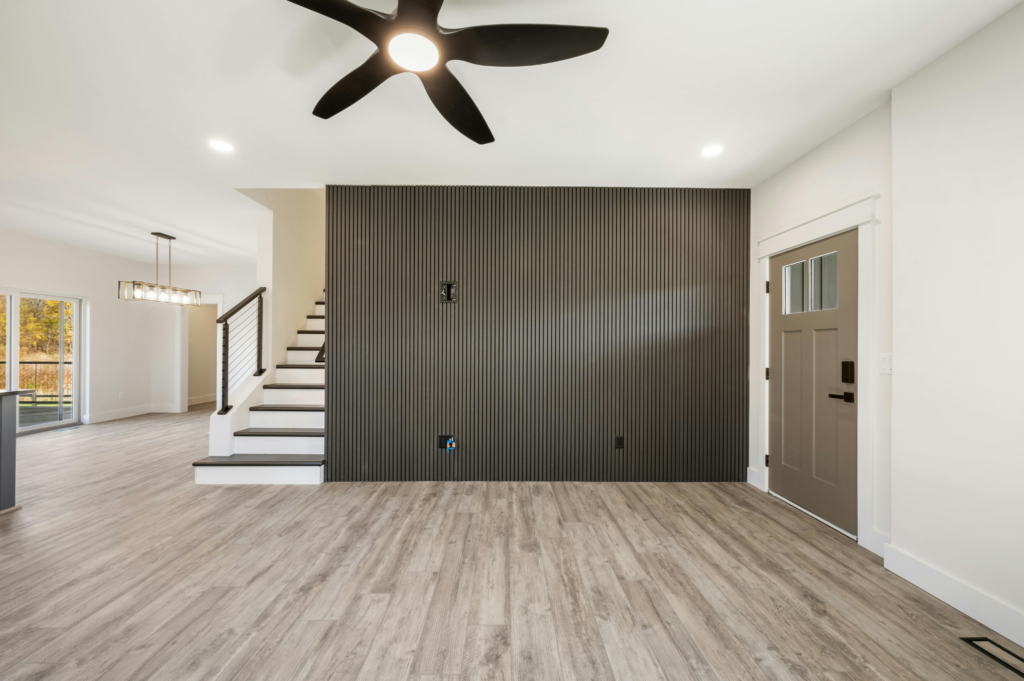
1. Single-Story Living
This is one of the biggest priorities for many homeowners after 60.
Why?
Because stairs may not feel like a problem today…
But many people begin planning ahead for easier long-term living.
Single-story homes offer:
- Easier movement throughout the home
• Fewer physical challenges over time
• Better accessibility
• Simpler daily routines
Even homeowners who feel completely active today often prefer:
👉 Not having to think about stairs later.
2. Low-Maintenance Living
One of the biggest shifts after 60 is this:
👉 People want to spend less time maintaining a house.
That means features like:
- Smaller yards
• Easier landscaping
• Durable materials
• Less exterior upkeep
Become much more attractive.
Many homeowners realize they’d rather spend time:
- Traveling
• Seeing family
• Enjoying hobbies
Instead of constantly maintaining a large property.
3. Functional, Easy Layouts
This matters more than people expect.
The best homes after 60 usually feel:
- Easy to move through
• Comfortable day-to-day
• Efficient without wasted space
Look for:
- Open living areas
• Minimal steps
• Easy flow between rooms
• Comfortable kitchen and living spaces
A home that functions well daily often matters more than square footage itself.
4. Primary Bedroom on the Main Floor
Even in two-story homes, this becomes a major advantage.
Why?
Because having the primary suite downstairs can make long-term living much easier.
It reduces:
- Stair use
• Physical strain
• Future accessibility concerns
For many homeowners, this becomes a non-negotiable feature.
5. Walkability and Convenience
After 60, convenience becomes increasingly valuable.
Many homeowners begin prioritizing homes close to:
- Grocery stores
• Restaurants
• Medical offices
• Walking trails
• Community spaces
The less driving and hassle involved in daily life…
👉 The easier life tends to feel.
This is why walkable neighborhoods become so attractive to many downsizers.
6. Wider Doorways and Accessible Features
Accessibility matters more than many people realize.
Even if you don’t need these features today…
Planning ahead is smart.
Helpful features can include:
- Wider hallways and doorways
• Walk-in showers
• Minimal thresholds
• Better lighting
• Easy-entry access
These small details can make a huge difference long-term.
7. Lower Utility and Energy Costs
Many homeowners after 60 become more conscious of:
- Monthly expenses
• Efficiency
• Predictability
That’s why newer or energy-efficient homes often appeal to downsizers.
Features like:
- New windows
• Better insulation
• Modern HVAC systems
• Energy-efficient appliances
Can reduce both stress and ongoing costs.
8. Less Unused Space
This is a major mindset shift.
A lot of homeowners realize:
👉 They’re maintaining space they no longer use.
Extra bedrooms…
Formal dining rooms…
Unused upstairs areas…
At some point, people start asking:
👉 “Do I really need all of this?”
And often, the answer is no.
Many downsizers discover:
- Smaller can feel easier
• Simpler can feel better
• Functional matters more than large
9. Community and Lifestyle Features
The home itself matters—but so does the neighborhood.
Many seniors prioritize:
- Community feel
• Walkability
• Social connection
• Nearby amenities
Because lifestyle becomes just as important as the house itself.
That’s why many downsizers focus heavily on:
👉 How daily life feels in the neighborhood.
10. A Home That Supports Aging in Place
This is the biggest long-term consideration.
Aging in place simply means:
👉 Choosing a home that can continue working for you over time.
That often means prioritizing:
- Simplicity
• Accessibility
• Convenience
• Lower maintenance
The goal isn’t just finding a home that works today.
👉 It’s finding one that still works years from now.
The Biggest Mistake People Make
The biggest mistake I see?
Choosing a home based only on:
- Appearance
• Size
• Trendy features
Instead of asking:
👉 “Will this home make my life easier long-term?”
That’s the question that matters most after 60.
So… What Features Matter Most After 60?
Here’s the simple answer:
The best homes after 60 usually prioritize:
- Simplicity
• Functionality
• Accessibility
• Lower maintenance
• Convenience
• Lifestyle fit
Because at this stage of life, most people care less about impressiveness…
👉 And more about comfort and ease.
Final Thoughts
The right home after 60 isn’t about downsizing just for the sake of downsizing.
It’s about creating a lifestyle that feels:
- Easier
• More enjoyable
• Less stressful
• Better aligned with how you want to live moving forward
And often, the right features make a much bigger difference than the size of the house itself.
Next Steps
If you’re thinking about your next move:
- Focus on functionality over square footage
• Think about long-term ease
• Prioritize lifestyle and convenience
• Plan ahead before changes become urgent
That’s how you make a smart, confident decision.
 Kelly Vaughan | The Vaughan Team
Real Estate Agent in McKinney, Texas helping seniors and homeowners find homes that support easier living and long-term comfort
👉 vaughanteamhomes.com
FAQ
What is the most important home feature after 60?
For many homeowners, single-story living and low-maintenance design become top priorities.
Should seniors avoid two-story homes?
Not always, but many people prefer easier layouts and fewer stairs long-term.
What makes a home good for aging in place?
Accessibility, convenience, lower maintenance, and functional layouts are key.
Is downsizing always necessary after 60?
Not necessarily. The goal is finding a home that fits your lifestyle and long-term needs.
What matters more after 60: size or functionality?
For most homeowners, functionality and ease of living become far more important than size.