
A few years ago, if you had asked buyers what features topped their wish list, you probably would have heard the same answers over and over.
An updated kitchen.
A large primary suite.
An open floor plan.
A three-car garage.
Those features are still important, but there’s another one that’s quietly climbed toward the top of many buyers’ lists:
Flexible workspace.
As I work with move-up buyers throughout Plano and Collin County, I’m seeing more families ask a question that almost never came up ten years ago:
“Where will everyone work?”
Notice I didn’t say “Where will I work?”
Today’s families often have multiple people who need quiet, functional space throughout the day. That could mean two adults working remotely, a college student attending online classes, a teenager needing a distraction-free homework area, or someone running a side business from home.
The result?
Many buyers are discovering that one home office simply isn’t enough.
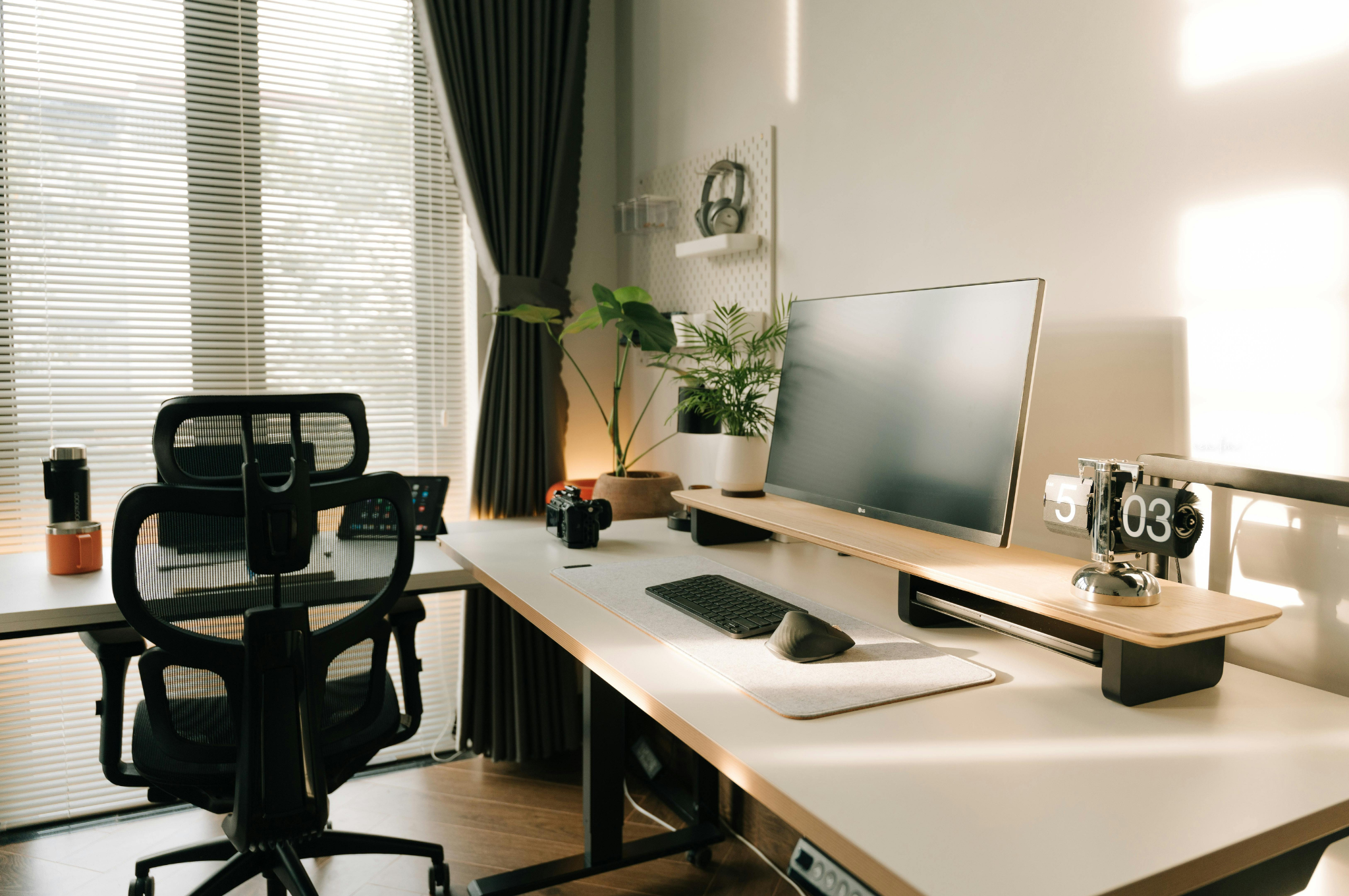
The Definition of “Home Office” Has Changed
When builders first started advertising home offices, they often meant a small study tucked beside the front entry.
For many people, that space worked perfectly.
Today, however, our expectations have changed.
Video meetings require good lighting.
Calls require privacy.
Multiple computer monitors need larger desks.
High-speed internet has become essential.
Many people spend eight or more hours each day in their workspace.
That makes the office just as important as the kitchen or family room.
Instead of asking whether a house has an office, buyers are asking whether the office actually works for the way they live.
Why Move-Up Buyers Are Thinking Differently
One advantage of being a move-up buyer is that you’ve already lived in a home long enough to know what doesn’t work.
Maybe your dining room became an office.
Maybe your bedroom became a Zoom room.
Maybe the kitchen table became everyone’s shared workspace.
Those temporary solutions worked when they had to.
But now that you’re considering your next home, you have the opportunity to solve those problems permanently.
Many families aren’t necessarily looking for a larger house.
They’re looking for a house that functions better.
That’s an important distinction.
Bedrooms Don’t Tell the Whole Story
One mistake I see occasionally is buyers focusing almost entirely on bedroom count.
Four bedrooms sounds great.
Five bedrooms sounds even better.
But what if every bedroom is already spoken for?
Parents occupy one.
Children occupy the others.
Where does someone take an important work call?
Where does a student study during exam week?
Where does someone meet virtually with clients?
Suddenly, those extra bedrooms don’t solve the problem.
A flexible floor plan often matters more than simply adding another bedroom.
Think About the Next Five Years
One of the questions I enjoy asking buyers is this:
“How might your life look five years from now?”
Maybe one spouse works from home today.
What if both do next year?
Maybe your oldest child will be heading to college.
Or perhaps your parents may eventually need to stay with you for extended periods.
Maybe you’re thinking about launching a consulting business after retirement.
Homes that can adapt to life’s changes often provide much greater long-term satisfaction than homes designed for only today’s needs.
Flexible Spaces Add Value Beyond Work
One of my favorite floor plans isn’t necessarily the one with the biggest office.
It’s the one with the most adaptable space.
Today’s buyers love rooms that can serve multiple purposes.
For example:
- An office today could become a nursery tomorrow.
- A media room could later become a second office.
- A bonus room might serve as a homeschool classroom, hobby room, fitness studio, or guest suite.
- A formal living room could become a quiet reading room or library.
Flexibility gives homeowners options.
And options create value.
What About Resale?
Even if you’re buying your “forever home,” it’s wise to think about resale.
Nobody can predict exactly what buyers will want ten years from now.
But history tells us something important:
Homes that adapt to changing lifestyles tend to appeal to a broader range of buyers.
A thoughtfully designed office—or a flexible room that can easily become one—is likely to remain attractive because it serves so many different purposes.
You’re not limiting future buyers.
You’re expanding your home’s possibilities.
Features Worth Looking For
If you’re planning to move up in Plano, here are a few things I encourage buyers to pay attention to beyond the square footage:
- Is the office separated from the busiest living spaces?
- Is there enough natural light for all-day comfort?
- Is the room large enough for multiple monitors or dual workstations?
- Are there enough electrical outlets?
- Does the internet provider offer high-speed service?
- Could another room easily become a second workspace if needed?
- Is there adequate sound separation for meetings?
These aren’t glamorous questions.
But they’re questions you’ll appreciate asking after you’ve moved in.
Don’t Forget Lifestyle
The home itself is only part of the equation.
Think about how your neighborhood supports your work-life balance.
Is there a nearby coffee shop where you can work for an hour?
Are there parks or trails for a lunchtime walk?
How long is the commute on days you do head into the office?
Are restaurants and everyday conveniences nearby?
The best home supports not only your work but your overall quality of life.
The Right House Isn’t Always the Biggest House
One lesson I’ve learned over the years is that more square footage doesn’t automatically mean better.
Sometimes the smartest purchase is the home that uses its space well.
A thoughtfully designed 3,000-square-foot home can function far better than a poorly designed 3,800-square-foot home.
Good design makes everyday life easier.
That’s ultimately what you’re buying.
Final Thoughts
If you’re thinking about moving up, don’t let bedroom count or square footage dominate your decision.
Take time to think about how your family actually lives today—and how that might change over the next several years.
A flexible home with well-designed workspaces can improve your daily routine, reduce stress, and continue serving your family as life evolves.
Buying a home isn’t simply about finding more space.
It’s about finding the right space.
As your real estate advisor, my goal isn’t just to help you buy a bigger house. It’s to help you find a home that truly supports the life you’re building.

Kelly Vaughan
The Vaughan Team | Brokered by Keller Williams McKinney
Clarity, compassion, and a plan for what’s next.